

What Is HRPO Steel? A Guide to Hot-Rolled Pickled and Oiled Steel


Hot-rolled steel is used widely across automotive manufacturing, fabrication, engineering, construction, and industrial production. However, the scale that forms on its surface during hot rolling can become a concern when fabrication calls for cleaner material. HRPO steel addresses this issue through additional surface processing.
HRPO stands for hot-rolled, pickled and oiled. The steel starts as hot-rolled material, then goes through pickling to remove mill scale. A protective oil film is applied to the cleaned surface before storage and transportation. The finished hot rolled pickled and oiled steel retains the practical characteristics of hot-rolled material with a cleaner surface for further processing.
This guide covers what HRPO steel is, how it is manufactured, important HRPO steel properties, grades and specifications, product forms, common applications and its differences from untreated hot-rolled steel.
Key Takeaways
HRPO steel is hot-rolled steel that has been pickled and oiled for a cleaner surface.
Hot rolled pickled and oiled steel suits fabrication, forming, welding, and further finishing.
HRPO steel grades should be selected based on strength, formability, and application needs.
HRPO steel coils and sheets support different production and processing requirements.
The oil coating provides temporary protection and should not be treated as permanent corrosion resistance.
Table of Contents
What is HRPO Steel?
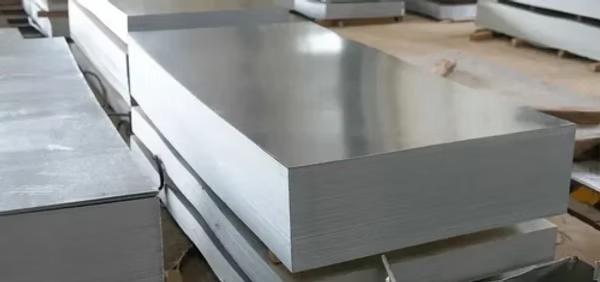
HRPO steel is hot-rolled steel that has been pickled to remove mill scale and oiled to protect its cleaned surface during handling and storage.
The HRPO steel meaning emerges directly from these three stages: hot-rolling, pickling, and oiling.
Hot rolling shapes steel at elevated temperatures. As the material cools, oxides develop on its surface and form the dark mill scale commonly associated with untreated hot-rolled products. Pickling removes this layer and exposes a cleaner steel surface. Oiling follows to provide temporary protection before the material moves into fabrication or further processing.
What Each Part of HRPO Means
Hot rolled: Steel is processed at elevated temperatures to reach the required dimensions and mechanical characteristics for industrial applications.
Pickled: Acid treatment removes mill scale and surface oxides that develop during hot rolling and subsequent cooling.
Oiled: A controlled oil film protects the freshly cleaned steel during normal storage, transportation, and material handling.
For manufacturers, pickled and oiled steel can be a practical choice when conventional hot-rolled material carries more surface scale than the next production stage can comfortably handle.
How Is HRPO Steel Made?
HRPO steel is made by hot rolling the steel, removing surface scale through pickling and applying oil to the cleaned material.
These stages turn conventional hot-rolled steel into hot rolled pickled and oiled steel prepared for fabrication, forming, welding, and other downstream work.
Hot Rolling
The process begins with steel passing through rolling equipment at elevated temperatures. Rolling reduces the material to the required thickness and produces the base steel characteristics specified for the grade.
As the steel cools, exposure to oxygen creates an oxide layer known as mill scale. The dark and relatively rough surface is typical of conventional hot-rolled steel. For applications where scale could interfere with fabrication or finishing, further surface treatment becomes useful.
Pickling
Pickling removes the mill scale created during hot rolling. The material passes through an acid-based treatment that cleans surface oxides from the steel before subsequent processing.
This step gives HRPO steel its characteristic cleaner appearance. The cleaned surface is better suited to manufacturing operations where heavy scale could complicate welding, forming, painting, or other finishing work.
Oiling
Once pickling exposes the clean steel surface, oil is applied as a temporary protective layer. The coating helps limit contact between the steel and environmental moisture during normal storage and transportation.
Oiling also keeps the surface in better condition before HRPO steel coils & sheets reach the next manufacturing stage. The protection remains temporary, so final corrosion requirements still need to be considered separately.
HRPO Steel Properties
The performance of HRPO steel combines the characteristics of its underlying hot-rolled grade with a cleaner, prepared surface. Exact HRPO steel properties vary with chemistry, grade, thickness, and specification. Buyers should therefore assess both the base material and the HRPO processing requirement before placing an order.
Cleaner Surface
Pickling removes the oxide scale found on untreated hot-rolled material and leaves a cleaner steel surface. This surface condition makes hot rolled pickled and oiled steel practical for parts that later move through welding, forming, painting, or fabrication.
The improved cleanliness can also reduce the amount of surface preparation needed before selected downstream processes. Final finish expectations should still be specified at the procurement stage.
Practical Formability
HRPO steel properties can support bending, stamping, and forming across many industrial applications. The actual forming capability comes primarily from the selected steel grade and its mechanical characteristics.
Components with deeper draws or demanding shapes require a grade suited to that level of deformation. The HRPO process cleans and protects the surface, while grade selection determines how the material behaves under forming loads.
Reliable Weldability
Pickled and oiled steel is widely processed into welded assemblies, machinery parts, and automotive components. Removing heavy mill scale provides manufacturers with a cleaner starting surface for fabrication.
Actual weld performance still depends on material chemistry, thickness, joint design and welding parameters. Procurement and production teams should review these factors together when selecting HRPO steel for welded components.
Strong Fabrication Performance
The cleaner surface of hot rolled pickled and oiled steel makes it suitable for cutting, bending, punching and general fabrication where heavy scale may create unnecessary processing work.
It's due to this that HRPO sheets and coils are often preferred for sectors including construction, automotive, machinery manufacturing, metal fabrication, agricultural equipment, HVAC, appliances and pipe production.
Temporary Surface Protection
Oil applied after pickling provides temporary coverage to the freshly cleaned surface. This protection is useful while HRPO steel moves through storage, transportation, and normal handling before production.
Storage conditions still matter. Exposure to moisture or unsuitable environments can compromise the surface over time, so the oil film should never be treated as a permanent corrosion protection system.
HRPO Steel Grades and Specifications
HRPO steel grades vary according to the mechanical properties and application required from the underlying hot-rolled material. HRPO describes the processing and surface condition of the steel rather than one universal grade.
This distinction is important when preparing purchase specifications. Two HRPO products can have a similar pickled and oiled surface but perform differently during forming, fabrication, or structural use because their base grades differ.
For Indian buyers, IS 1079 covers hot-rolled carbon steel sheet, plate, and strip used for forming and drawing applications.
Common Grade References for HRPO Procurement
Grade Reference | General Category | Typical Application Direction |
IS 1079 HR1 | Commercial quality | General fabrication and standard forming work |
IS 1079 HR2 | Drawing quality | Panels, automotive components and drawn parts |
IS 1079 HR3 | Deep drawing quality | More demanding drawn components and complex stampings |
IS 1079 HR4 | Extra deep drawing quality | Applications requiring greater forming capability |
These categories provide a useful starting point rather than a universal purchasing specification. Published product data can vary by manufacturer, dimensions and application.
When specifying HRPO steel grades, procurement teams should confirm thickness, width, chemistry, mechanical properties, forming requirements, surface condition and the applicable standard with the supplier.
HRPO Steel Sheets, Coils, and Plates
HRPO steel is commonly supplied in sheet and coil forms, while plate requirements depend on thickness, specification, and supplier capability. The right product form depends on production volume, equipment configuration, component dimensions, and material handling requirements.
HRPO Steel Sheets
A hot rolled pickled and oiled steel sheet provides material in cut lengths that can move directly into punching, bending, laser cutting, welding and general fabrication operations.
Manufacturers working with defined component dimensions often prefer a hot rolled pickled and oiled sheet because individual sheets are straightforward to handle, store, and feed into fabrication equipment. The cleaner surface also reduces the presence of heavy mill scale before subsequent processing.
We supply cut-to-length hot-rolled sheets alongside HRPO coils, with available dimensions dependent on the relevant product specification and requirement.
HRPO Steel Coils
An HRPO steel coil keeps the material in continuous coiled form and suits plants built around high-volume processing. Coils can feed stamping lines, roll forming equipment, blanking systems and other automated operations.
A hot rolled pickled and oiled steel coil also gives manufacturers greater control over blank dimensions when several component sizes need to be processed from continuous material. This format is particularly relevant where production speed, material handling, and repeatable feed matter across longer manufacturing runs.
Fortran Steel supplies HRPO sheets and HRPO coils and lists HRPO material in thicknesses from 1.6 mm to 6.0 mm and widths up to 1650 mm on its current product page.
Also Explore: Cold Rolled Sheets & Coils
HRPO Steel Plates
An HRPO steel plate refers to heavier flat material supplied with a pickled and oiled surface where the required specification and processing route support that product form. Availability can vary considerably between mills and suppliers.
For heavier fabrication, buyers should confirm thickness, dimensions, grade, flatness, and surface requirements before treating HRPO plate as interchangeable with standard hot-rolled plate. The term HRPO steel plate may also be used differently across markets, which makes a detailed purchase specification particularly important.
What Is HRPO Steel Used For?
HRPO steel is used for automotive parts, machinery, fabricated components, agricultural equipment, HVAC products, appliances, pipes and tubes, and other industrial applications that benefit from a cleaner hot-rolled surface. The exact HRPO steel uses depend on grade, thickness, forming demands, and final surface requirements.
Automotive Components

Automotive manufacturers use HRPO steel for selected brackets, supports, structural parts, panels, and formed components. A cleaner surface can be valuable when material moves through stamping, welding, and subsequent finishing stages.
The grade still needs to match the deformation required by the component. Parts involving more demanding forming generally call for suitable drawing or forming grades.
Industrial Fabrication

Fabricators use hot rolled pickled and oiled steel for frames, brackets, housings, supports and welded assemblies. The removal of mill scale gives workshops a cleaner starting point before cutting, bending and joining.
This makes HRPO practical when conventional hot-rolled steel meets the mechanical requirement, but its untreated surface creates additional preparation work.
Pipes and Tubes

HRPO steel coils can serve as feed material for selected pipe and tube manufacturing processes. Continuous coil supply suits production lines where steel is progressively formed and welded into the required profile.
Grade, chemistry, dimensional tolerances, and weld requirements should be matched carefully to the intended pipe or tube application.
Machinery and Equipment

Machinery manufacturers use pickled and oiled steel for fabricated parts that pass through cutting, punching, bending, and welding before assembly.
A clean surface can simplify these production stages, particularly where heavy mill scale would interfere with tooling, joining or subsequent finishing. Material strength and formability still depend on the specified grade.
General Engineering

HRPO steel uses extend across material handling equipment, agricultural machinery, industrial cabinets, fabricated structures and general engineering parts.
The combination of a clean surface and practical hot-rolled characteristics makes HRPO useful for manufacturers that need dependable fabrication performance without moving to a cold-rolled product solely for surface cleanliness.
Benefits of HRPO Steel
HRPO is valuable to manufacturers because it addresses one of the most noticeable characteristics of conventional hot-rolled steel, its mill scale. Pickling creates a cleaner starting surface, while oiling protects that surface during normal movement through the supply chain.
Cleaner working surface. Pickling removes mill scale before HRPO steel reaches downstream fabrication and manufacturing operations.
Better preparation for finishing. A scale-free surface provides a cleaner base for painting and selected surface treatments.
Practical fabrication performance. Hot rolled pickled and oiled steel suits cutting, bending, welding, stamping and general manufacturing work.
Temporary storage protection. The oil film helps protect the cleaned material during normal transportation, handling and storage.
Less surface preparation. Manufacturers can reduce scale removal work before selected processes compared with untreated hot-rolled material.
Broad industrial use. Automotive, machinery, fabrication, appliances, and tube production all use pickled and oiled steel for suitable components.
HRPO Steel vs. Hot Rolled Steel
The main difference between HRPO steel and untreated hot rolled steel is surface processing. Standard hot rolled steel generally retains the mill scale created during rolling and cooling. HRPO goes through pickling to remove this scale, followed by oiling to protect the cleaned surface.
For procurement teams, the right choice depends heavily on what happens after the material reaches the plant. Conventional hot-rolled steel remains practical for applications where scale presents little concern. HRPO steel becomes attractive when a cleaner surface supports fabrication, forming, welding, or finishing.
Comparison Factor | Hot Rolled Steel | HRPO Steel |
Surface condition | Darker and rougher hot-rolled surface | Cleaner surface after pickling |
Scale | Mill scale normally remains | Mill scale is removed |
Processing | Used after conventional hot rolling | Additional pickling and oiling |
Appearance | Typical industrial hot-rolled appearance | Cleaner and more uniform appearance |
Typical applications | Structural work and general fabrication | Automotive parts, fabrication, forming and further finishing |
Cost and processing | Fewer processing stages | Additional processing can increase material cost |
The additional processing behind hot rolled pickled and oiled steel should therefore be judged against the needs of the manufacturing line. If scale removal would otherwise become an extra shop floor step, HRPO can arrive better prepared for the next operation.

Is HRPO Steel Corrosion Resistant?
HRPO steel has temporary surface protection from its oil coating, but it should not be considered permanently corrosion resistant.
When sourced from an expert steel supplier in India, pickling completely removes mill scale and exposes a clean steel surface. The oil applied afterward helps protect this surface during storage, handling, and transportation. Its role is temporary protection rather than long-term corrosion control.
This distinction matters when HRPO steel is intended for outdoor use, humid environments, chemical exposure, or components with long service lives. A suitable paint system, coating, galvanising process or other corrosion protection method may still be required based on the final application.
Storage practices also deserve attention. Even pickled and oiled steel can develop surface corrosion when exposed to unsuitable conditions for extended periods. Procurement teams should therefore treat the oil film as part of material handling protection rather than the final corrosion strategy.
You Might Also Like
Conclusion
Hot rolled pickled and oiled steel gives manufacturers a cleaner hot rolled product for fabrication, forming, welding and further finishing. Pickling removes mill scale from the surface and oiling provides temporary protection during normal handling and storage.
For procurement teams, selecting the right HRPO steel requires attention to grade, thickness, dimensions, formability, surface condition and downstream processing. The right combination can simplify fabrication and provide a cleaner starting material for demanding production environments.
At Fortran Steel, we supply HRPO sheets and coils as part of our wider portfolio of hot rolled, cold rolled and mild steel products. Our HRPO range serves automotive, construction, machinery manufacturing, metal fabrication, agricultural equipment, HVAC, appliance and pipe and tube applications. With expertise forged by 35 years of steel excellence, our products are accurate, lasting, and globally renowned.
Planning an HRPO requirement for an upcoming production cycle? Reach out with your preferred grade, dimensions, quantity and application to get a quote.
FAQs
What does HRPO steel mean?
HRPO steel means hot rolled pickled and oiled steel. The material starts as hot-rolled steel, then goes through pickling to remove mill scale, followed by oiling for temporary surface protection during storage and handling. The term HRPO steel refers to this three-stage process and the cleaner surface it creates compared with untreated hot-rolled steel.
What is HRPO steel used for?
HRPO steel is used for automotive components, machinery parts, fabricated assemblies, agricultural equipment, appliances, HVAC products, pipes, tubes and general engineering components. Common HRPO steel uses depend on the selected grade, thickness, forming requirement, and the manufacturing process planned for the material.
Is HRPO steel better than hot rolled steel?
HRPO steel can be better than untreated hot rolled steel when the application needs a cleaner surface for fabrication, forming, welding or finishing. Hot rolled pickled and oiled steel has its mill scale removed before oiling, while standard hot rolled steel usually retains its original surface scale.
Is HRPO steel corrosion resistant?
HRPO steel has temporary surface protection from its oil coating, but it is not permanently corrosion resistant. The oil protects pickled and oiled steel during storage and transportation. Long-term exposure to moisture, outdoor conditions or corrosive environments may require paint, galvanising or another suitable protective treatment.
What is the difference between HRPO steel sheet and coil?
The main difference between an HRPO steel sheet and an HRPO steel coil is the supply form. A hot rolled pickled and oiled steel sheet comes in individual cut lengths for direct fabrication, while an HRPO steel coil contains continuous material suited to blanking, stamping, roll forming, and high-volume production.
What grades of HRPO steel are available?
HRPO steel grades vary based on strength, formability, application, and the applicable material standard. HRPO steel specifications may include grades covered under standards such as IS 1079 for Indian applications. Buyers should confirm grade, thickness, width, mechanical properties, and surface requirements with the supplier before procurement.


Comments